Building Teams That Thrive on Feedback (Not Just Perks)
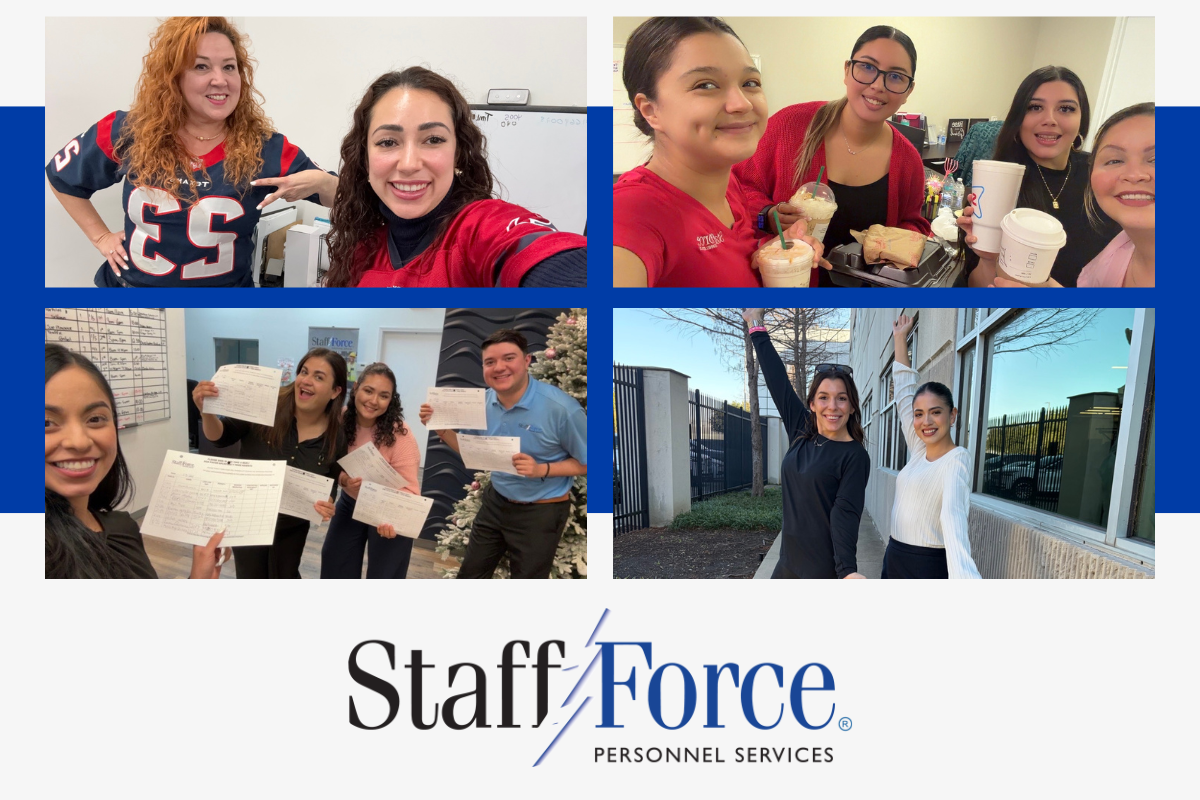
Free snacks, flexible hours, and sleek office spaces can certainly catch your eye initially. However, these perks often fall short of addressing the more significant challenges within a workplace.
What truly strengthens a team is the feeling of being heard, guided, and respected. This is where fostering a robust culture of employee feedback really counts; it’s the key to making a genuine impact. Feedback shapes how people work, learn, and connect.
When handled well, feedback creates trust and steady growth, keeping teams engaged long after perks lose their shine.
Feedback as the Foundation of Trust
Trust doesn’t appear overnight. Building a strong feedback culture relies on daily actions and genuine conversations. When leaders provide clear and respectful feedback, employees feel appreciated and recognize the value of their contributions.
A healthy approach to feedback fosters an environment of openness and encourages people to voice their thoughts without fear. They know that the focus is on growth, not assigning blame. When everything is clear for everyone, it builds a workplace where trust can naturally thrive.
Moving Past Annual Appraisals
Once-a-year reviews feel safe, but they usually miss the mark. Real advancement needs timely input. Teams perform better when feedback is frequent and brief.
A quick check-in after a project or a short chat during the week can quickly change direction. This approach keeps people aligned and motivated. It also reduces stress because no one has to wait months to learn how they are doing.
Making Feedback a Two-Way Street
Feedback should never flow in one direction only. Employees also need space to share their thoughts. When leaders listen, teams feel respected and admired. This balance maintains an employee feedback culture that supports growth for everyone.
Managers should be willing to ask questions and pause to listen carefully. Authentic answers provide insight into morale, workload, and team dynamics. When individuals observe that actions are taken on their input, trust deepens.
Clear Expectations Set the Stage
Feedback is most effective when expectations are clearly defined from the beginning. People cannot improve if they are uncertain about what success looks like. Managers should outline goals, priorities, and standards early on.
With clear expectations, feedback becomes easier to understand and implement. This clarity helps prevent confusion and frustration. When expectations and feedback are aligned, teams can progress with confidence.
Training Managers to Give Better Feedback
Not everyone knows how to give helpful feedback. Some avoid it while others sound too harsh. Training makes a big difference. Managers should learn how to be specific, calm, and supportive.
Good feedback focuses on actions, not personalities. It also offers guidance, not just criticism. Investing in this skill strengthens the entire employee feedback culture across the organization.
Using Feedback to Support Growth
Feedback should point toward development, not just correction. Employees want to grow and learn. When feedback includes suggestions and resources, it becomes empowering.
It shows a path forward instead of a dead end. Growth-focused feedback keeps people engaged and loyal. It also helps pinpoint future leaders within the team.
Simple Ways to Encourage Everyday Feedback
Feedback doesn’t need formal meetings every time. Little practices can make it part of daily work. Here are a few applicable ideas.
- Start meetings with a quick win or lesson learned
- Encourage peer recognition during team check-ins
- Use short surveys to collect brief input
- Schedule brief one-on-one discussions periodically
These efforts keep feedback involved instead of stressful.
Managing Tough Feedback with Consideration
Not all feedback is comfortable to hear. Difficult discussions demand empathy and clarity. Managers should schedule and pick the right time. Private environments help individuals feel safe.
The focus should remain on solutions and improvement. When handled with care, even difficult feedback can strengthen relationships and trust.
Recognizing Effort Through Feedback
Feedback is not only about fixing problems. Recognition matters as much. Pointing out effort and progress motivates people and shows that leaders notice the small wins.
Systematic recognition sustains a positive employee feedback culture that respects contribution. It also raises morale without counting on material rewards.
Feedback and Team Accountability
Precise feedback helps teams hold themselves responsible. Everyone comprehends their part and influence. This familiarity lessens disharmony and disorder.
Teams that discuss candidly about performance solve issues faster. Accountability feels fair when feedback is genuine and consistent. It becomes a shared responsibility rather than a top-down rule.
How Staffing Partners Can Support Feedback-Driven Teams
Fostering strong feedback habits takes time and help. Staffing partners like Staff Force understand this challenge. We help connect businesses with professionals who value communication and growth.
With the right people in place, feedback becomes easier and more effective. A thoughtful employee feedback culture starts with hiring individuals who are open to learning and collaboration.
Measuring the Impact of Feedback
Feedback should lead to visible results. Track changes in engagement, performance, and retention. Look for patterns in survey responses and team outcomes.
These insights show what works and what needs adjustment. Measuring impact keeps feedback efforts focused and relevant.
Steps to Strengthen Feedback in Your Team
If you want to improve feedback practices, start small and stay consistent.
- Set clear expectations from day one
- Encourage regular conversations, not just reviews
- Train managers to communicate with care
- Act on employee input when possible
- Recognize progress often
These steps build momentum and lasting change.
Feedback as a Lasting Advantage
Perks may attract attention, but feedback builds loyalty. Teams thrive when communication feels open and supportive. A strong employee feedback culture creates trust, growth, and accountability. It helps people do their best work every day.
When feedback becomes part of how teams operate, success follows naturally. Businesses that invest in feedback invest in their people, and that investment pays off for years.
Staff Force Personnel Services helps companies build teams that communicate better from day one. By placing people who value clear expectations and open conversations, feedback becomes part of daily work, not an afterthought. This makes it easier for teams to grow, stay engaged, and perform with confidence.
Want to build a stronger, more connected workforce? Contact us today to start the conversation.
