Future-Proofing Your Team: Skills You Should Invest in Now
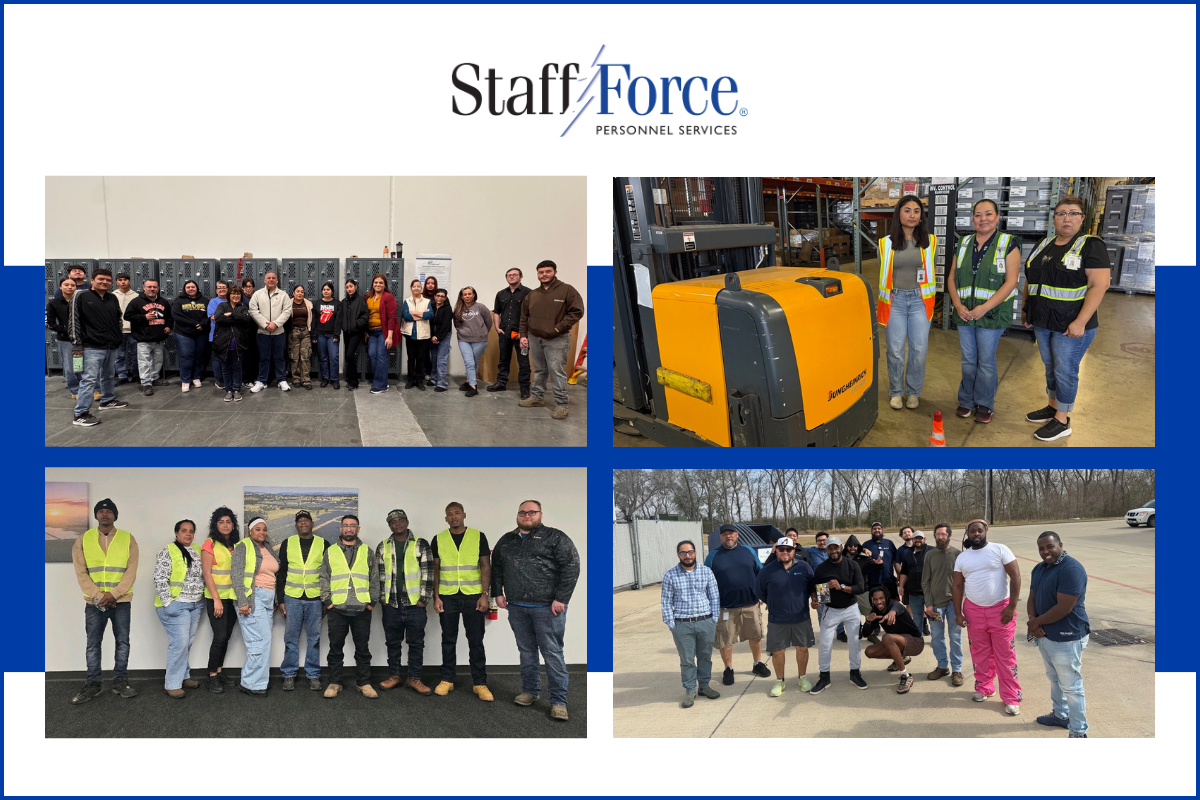
Building a future-proof workforce means developing teams that remain productive, adaptable and resilient as labor markets, technologies and business demands continue to shift. Many businesses are experiencing hiring slowdowns, role misalignment and recurring turnover that impact productivity. Staffing decisions now carry greater weight, where the ability to build adaptable, reliable teams often determines whether operations run smoothly or face repeated disruption.
Future-focused hiring is about understanding which skills, behaviors and workforce strategies help organizations remain competitive, adaptable and productive regardless of how business conditions evolve.
Today’s Hiring Decisions Carry Longer-Term Consequences
Markets change fast, and traditional hiring models aren’t as reliable as they once were. Between December 2024 and December 2025, Texas alone added 132,500 jobs, more than any other state, while reaching a record-large labor force of nearly 16 million workers.
That dynamic environment rewards companies that hire strategically and stay flexible, rather than those waiting to react to skill shortages or turnover. That kind of growth shows opportunity, but also competition: employers who aren’t building adaptable teams risk lagging behind faster, more agile organizations.
A future-proof workforce equips companies to absorb labor shifts, integrate new technologies and adjust operations without costly disruptions. Instead of rebuilding teams after changes hit, resilient organizations stay productive and focused, even as business conditions evolve.
direction.
Adaptability Is Becoming A Most Valuable Skill
Work environments rarely stay static for long. Operational demands shift, technologies evolve and workflows adjust faster than traditional hiring models can comfortably keep up with. Employees who adapt quickly help businesses maintain stability without disruption.
Why Workforce Flexibility Impacts Your Business Performance
Employees who can adjust quickly strengthen day-to-day operations by:
- Reducing workflow bottlenecks when responsibilities shift
- Supporting cross-functional collaboration
- Absorbing process or technology changes faster
- Minimizing productivity dips during transitions
Instead of slowing operations, flexible team members help organizations sustain momentum.
You Need To Build Resilience Beyond Role Specialization
A future-proof workforce increasingly depends on learning agility rather than rigid specialization. Employees who can shift responsibilities, acquire complementary skills and adapt to evolving expectations help organizations avoid repeated hiring cycles and retraining costs.
Digital Readiness Matters More Across Modern Roles
Technology now touches nearly every role, even outside traditionally technical positions. From scheduling systems to inventory platforms and workflow software, digital interaction has become part of daily operations across industries.
For employers building a future-proof workforce, comfort with systems, interfaces and evolving tools directly influences onboarding speed, accuracy and efficiency. Teams with baseline digital familiarity adapt faster when processes shift or new platforms are introduced.
Without that foundation, businesses often face slower transitions, higher error rates and productivity friction that compounds over time.
Strong Decision-Making Drives Everyday Efficiency
Fast-moving work environments rarely allow time for constant oversight. Teams function more efficiently when employees can assess situations, make sound judgments and resolve minor issues without escalating every disruption.
Fact: Decision Confidence Reduces Operational Drag
Workplaces benefit when team members can:
- Address minor disruptions before they affect workflow
- Keep tasks moving without excessive supervision
- Respond to shifting priorities with minimal friction
- Prevent small issues from becoming larger slowdowns
Capable decision-makers help preserve workflow consistency rather than reacting after problems compound.
Eventually, Independent Thinking Supports Workforce Stability
For businesses building a future-proof workforce, employees who demonstrate sound judgment contribute directly to operational resilience. Instead of depending heavily on managerial intervention, confident workers sustain efficiency across changing demands.
This becomes especially valuable in light-industrial and clerical environments, where pace, priorities and responsibilities frequently evolve. Teams strengthened by proactive, solution-oriented employees experience smoother operations and fewer avoidable disruptions.
Retention Strategy Is Part of Future-Proofing
When trained employees leave, organizations lose both productivity and valuable institutional knowledge.
Depending on the role and experience level, replacement costs can range from 50 percent to 200 percent of an employee’s annual salary, accounting for recruitment, onboarding, training and lost productivity.
These expenses rarely appear as a single line item, yet they compound quickly through workflow disruptions, slower ramp-up periods and increased managerial strain. Over time, repeated turnover not only affects budgets but also directly impacts operational stability and team performance.
However, Workforce Stability Has Become Harder To Protect
In November 2025, Texas recorded roughly 652,000 job openings, underscoring just how competitive hiring remains across industries. But the real strain for many employers isn’t simply attracting talent; it’s keeping experienced employees engaged and committed.
Frequent turnover quietly chips away at productivity, disrupts workflow continuity and drains institutional knowledge that teams build over time. Each departure creates ripple effects that extend far beyond recruitment costs.
Businesses that invest in retention manage to better preserve operational rhythm, protect training investments, and strengthen long-term workforce resilience.
Strengthening Workforce Strategy for Long-Term Stability
Future-proof workforce planning requires more than reactive hiring. As business demands evolve, we help organizations reduce uncertainty and preserve operational continuity through smarter staffing alignment.
Our approach supports employers by:
- Identifying adaptable talent ready to adjust as roles shift
- Reducing hiring friction during workforce fluctuations
- Supporting productivity stability through faster contributor readiness
- Maintaining workflow continuity amid changing demands
This allows businesses to stay agile and responsive, and to be better positioned for long-term performance.
Build Stability Into Your Workforce Strategy
Balancing productivity demands with workforce stability isn’t always straightforward. At Staff Force Personnel Services, we help businesses strengthen workforce stability through experienced staffing support, thoughtful candidate alignment, and flexible hiring solutions across light industrial, clerical and skilled roles.
Whether you’re addressing workforce gaps or planning for a future-proof workforce, our team provides practical guidance designed to protect productivity and continuity.
Contact us to discuss workforce strategies that support long-term performance.
