How Seasonal Hiring Can Help Your Business Stay Ahead of Demand
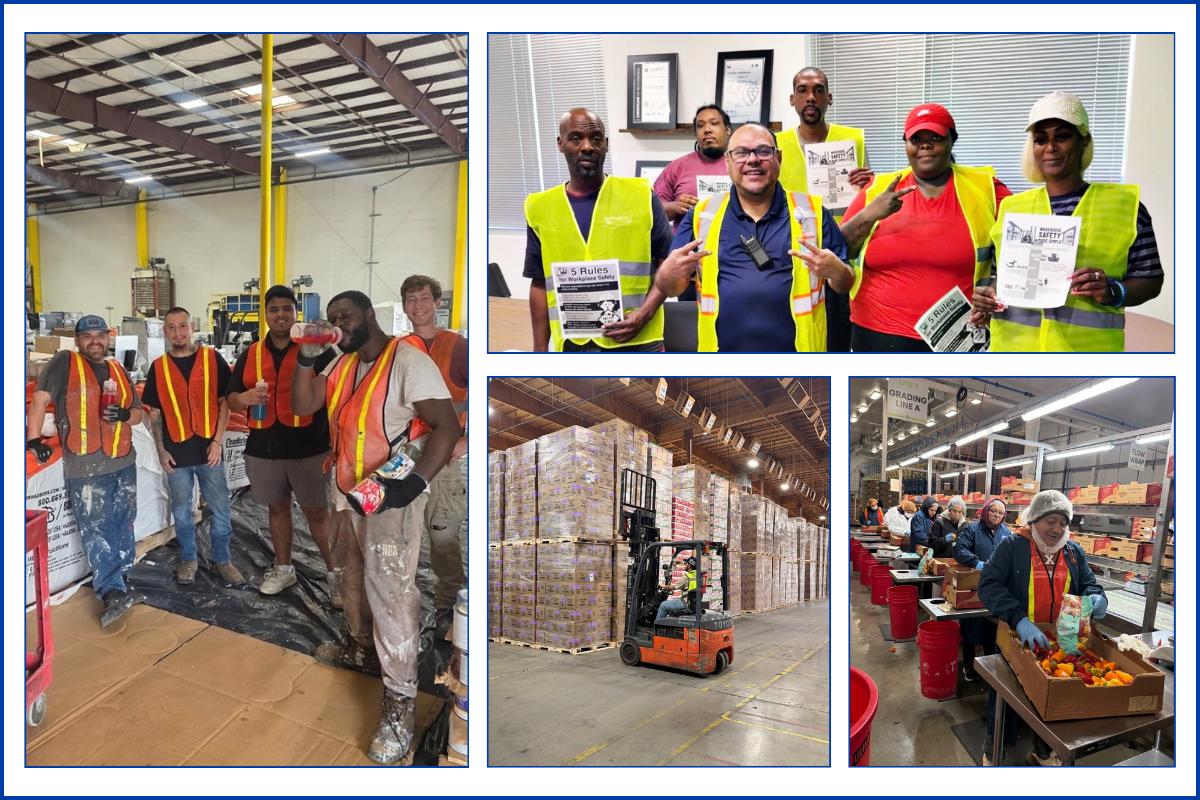
Seasonal hiring to support changing business needs helps you stay productive, responsive, and better prepared during peak periods, without overloading your core team.
A busy season can feel like a win until the pressure starts showing up in your operation. Orders move slower, supervisors get stretched thin, shifts get harder to cover, and customer experience can start taking the hit. When demand rises faster than headcount, even healthy growth can start feeling expensive.
A stronger staffing plan gives you room to prepare earlier, stay flexible, and keep performance steady when demand starts climbing and your operation needs more support fast.
Why Demand Surges Become a Staffing Problem So Quickly
A strong season can start looking risky before it looks successful. That pressure can show up quickly through overtime, rushed hiring decisions, slower turnaround, supervisor fatigue, and service gaps that become harder to correct once they are already affecting the workday.
For many employers, seasonal hiring works best when it is treated as part of operational planning, not as a last-minute recruiting response. Waiting until the rush is obvious often means you are already behind on coverage, training, and shift coordination.
The labor market does not make reactive hiring any easier. The U.S. Chamber of Commerce reports that many jobs across the country remain unfilled, which puts pressure on businesses as they try to hire amid the strain.
At Staff Force, we help employers respond to seasonal and peak production needs before short-term gaps begin to pull performance down.
How Seasonal Staffing Helps You Stay Productive Without Overcommitting
Busy periods do not always justify adding permanent headcount. Sometimes you need more hands, more coverage, and more output over a defined period. That is where a flexible staffing plan protects both performance and cost control.
With seasonal hiring for business demand in place, you can increase capacity when workload rises without making long-term commitments before you know they are necessary.
That kind of support helps you protect the parts of the operation that tend to feel pressure first:
- Order flow and turnaround times
- Customer service consistency
- Shift coverage and daily output
- Team stamina during busy stretches
We help employers scale support across light industrial, skilled trades, and admin/clerical roles based on what the season actually demands. That can include warehousing, assembly, shipping and receiving, janitorial support, forklift operations, skilled trades assistance, and clerical coverage.
Why Early Planning Gives You a Stronger Hiring Advantage
Hiring risk isn’t only about who gets hired. It can also show up in the paperwork, the training gaps, the payroll details, and the safety responsibilities that follow once someone is on the floor.
That strain can look like:
- Workers’ comp exposure
- Payroll errors
- Unemployment tax issues
- Missed safety training
- HR and compliance headaches
This is part of the impact of a staffing agency, too. Staff Force has support tied to workers’ comp coverage, field risk management, HR support, direct deposit, medical plans, employee handbooks, and ACA compliance.OSHA also makes clear that staffing agencies and host employers share responsibility for temporary workers’ safety and health, which is why the right staffing relationship needs communication and structure, not just speed.
Fast Hiring Only Helps When The Process Still Has Structure
When you start planning early, you give yourself better options. You are not forced into rushed decisions, thinner candidate pools, or onboarding shortcuts that create problems later. You have more room to think clearly about shift coverage, role mix, training needs, and how much support your operation will actually need.
What Early Planning Gives You
- Better access to talent
Good candidates are easier to reach when you are not hiring at the last second and competing under pressure.
- Stronger onboarding and safety prep
Lead time makes it easier to prepare schedules, set expectations, and get people ready to work safely and productively from day one.
- More control as demand changes
When seasonal hiring is planned earlier to align with business needs, you can adjust faster if the season ramps up sooner or harder than expected.
SHRM has reported that seasonal hiring demand has moved closer to pre-pandemic patterns, which still points to a competitive market around peak-season roles. We also encourage employers to plan ahead so temporary staffing can support busy periods without throwing the rest of the operation off balance.
How the Right Staffing Partner Helps You Move Faster and Smarter
Speed matters during a busy season, but speed without fit can create a second problem behind the first one. When the wrong people are rushed into the wrong roles, output can slow down, supervisors lose time, and your team ends up managing avoidable friction instead of getting real support.
The right staffing partner helps take pressure off your internal team by handling more of the sourcing, screening, and placement process upfront. That gives you faster access to people who are better aligned with the role, the shift, and the pace of your operation. That kind of support can make a real difference because you are not just adding labor; you are improving response times without sacrificing quality.
At Staff Force, we focus on flexible temporary and temp-to-hire solutions built around fit, responsiveness, and the demands of your work environment, including seasonal and peak production support across multiple markets.
What Smart Seasonal Hiring Looks Like in Practice
A stronger seasonal plan is driven by protecting consistency when volume changes so your operation does not lose pace, accuracy, or control. A practical approach usually includes a few key moves:
- Forecast demand early, so you are not making staffing decisions after the pressure has already started.
- Identify critical roles first by looking at where delays would hurt output, service, or turnaround the most.
- Build in training and safety time so new workers are set up to contribute without creating avoidable slowdowns.
- Clarify shift expectations and assignment length so coverage stays aligned with real workload needs.
- Set performance standards early so people understand pace, accuracy, and attendance expectations from day one.
- Stay open to temp-to-hire options if demand stays strong longer than expected.
- Maintain a repeatable pipeline so future peak periods do not feel like starting over.
Build a Stronger Seasonal Staffing Plan Before the Rush
As demand increases, having the right staffing support in place helps your operation stay productive, efficient, and consistent without overextending your core team. A stronger staffing strategy gives you more control over coverage, productivity, and service as demand starts to climb.
At Staff Force Personnel Services, we’re here to support stronger staffing this busy season. Call 281-492-6044 or find a location near you, and let’s build the staffing support your team needs to keep pace as demand climbs.
