How Recognition Impacts Employee Retention
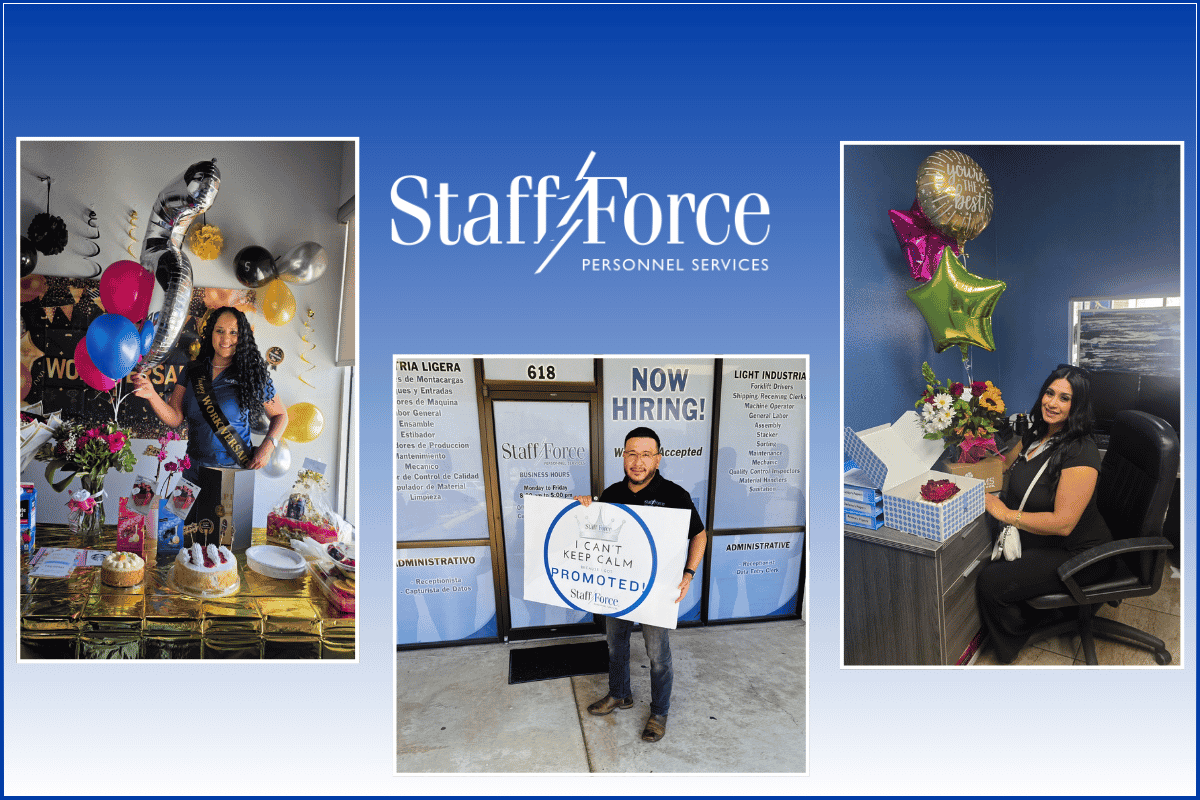
Employees who consistently feel noticed and valued are more likely to stay engaged, making employee recognition and retentionclosely connected through stronger trust, motivation and workplace belonging in daily work.
The value of that connection shows up in the everyday impact of dependable employees. Their practical knowledge, steady judgment and consistent support help work run smoothly while giving others a stronger foundation for success.
When employees begin to feel overlooked, they may grow quieter or become less willing to offer extra effort. Timely recognition gives managers an opportunity to reinforce the value of their contributions before disengagement places added pressure on the wider team.
Recognition isn’t limited to awards, formal programs or thank-yous. It influences how employees read everyday signals from supervisors and the organization around them.
When appreciation feels timely, specific and fair, continued effort can feel worthwhile instead of invisible, expected or easily replaced at work.
Recognition Changes How Employees Experience the Workday
Employees need clear evidence that their contribution registers. In demanding workplaces, specific feedback makes daily effort visible, helps people understand exactly what they’re doing well and shows which standards deserve to be repeated.
Recognition Reinforces What Matters
- Reliability: Notice consistent attendance and readiness.
- Standards: Acknowledge safe decisions, quality work and productivity.
- Growth: Recognize teamwork, learning and steady improvement.
Fortune reported that among employees who felt appreciated, 87% said gestures of appreciation supported their motivation, 85% linked them to greater confidence and 84% reported improved productivity.
Credible appreciation can also build trust in supervisors and make demanding work feel less anonymous.
These daily signals may strengthen the relationship between employee recognition and retention, although they can’t guarantee that every valued employee will stay.
The Cost of Overlooking Reliable Employees
Voluntary turnover rarely begins with a resignation letter. A previously engaged employee may grow quieter, stop offering ideas or withdraw help after repeated extra effort goes unnoticed. Retention risk rises when supervisors speak only to correct mistakes and experienced people begin to feel interchangeable.
What One Departure Can Leave Behind
- Knowledge gaps: Institutional knowledge walks out with the employee.
- Operational pressure: Remaining teams absorb overtime, slower rhythms and supervisor strain.
- Replacement costs: Recruitment and onboarding consume time, while quality and productivity may become less consistent.
These warning signs can reveal employee disengagement before someone leaves, giving you an opportunity to address workplace morale while recovery across the operation is still possible.
Meaningful Recognition Has to Feel Earned
Generic praise can feel automatic, especially when employees can’t tell what prompted it. Credible recognition names the contribution and shows why it mattered.
Five Ways to Make Recognition Credible
- Make it specific: Identify the action, not merely the person.
- Make it timely: Acknowledge dependable work while the moment is still relevant.
- Match the moment: Use private appreciation or team recognition according to the employee and achievement.
- Keep it fair: Look beyond outspoken employees, visible roles and convenient shifts.
- Connect it to impact: Link the effort to safety, quality, output, customers or coworkers.
Thoughtful employee recognition and retention practices should feel personal, yet clear standards must keep appreciation consistent and prevent recognition from appearing preferential over time.
Managers Shape Whether Recognition Reaches the Floor
Frontline supervisors see the work executives can miss. Across warehouses, manufacturing lines, skilled-trade sites, seasonal operations and administrative teams, they are closest to daily effort and performance.
- Notice dependable attendance and preparation.
- Acknowledge safe work habits.
- Thank employees who report problems early.
- Recognize employees who guide new employees.
- Highlight accuracy, quality, adaptability and teamwork.
- Follow up after difficult shifts or busy periods.
Recognition should not depend solely on annual programs or executive announcements. A timely, specific comment from the supervisor who witnessed the effort feels more credible because it connects the employee’s contribution to what happened on the floor that day.
Build Recognition Into the Rhythm of Work
Fast Company’s workplace guidance recommends embedding brief, sincere acknowledgments into existing routines and creating a regular cadence for appreciation. Give managers simple ways to notice different contributions as they happen.
Create Regular Moments for Appreciation
- During the shift: Add brief supervisor acknowledgments to meetings, hold private thank-you conversations and make room for peer recognition.
- After progress: Note improvements, completed training, certifications, safety or quality milestones and positive customer or team feedback.
- At key moments: Recognize service anniversaries and thank employees after peak seasons or especially demanding periods.
Consistent employee recognition and retention efforts need clear guidance, flexible options and awareness of how different people prefer to be appreciated. Public praise, prizes, and rewards won’t suit everyone equally.
Appreciation Can’t Repair an Unworkable Job
Praise has limits. Employees won’t feel valued if appreciation sits on top of unsafe conditions, unclear responsibilities, chronic understaffing, poor communication or unmanageable schedules.
Recognition can reinforce:
Respectful supervision, fair treatment, role clarity, useful training, consistent expectations and reliable support.
Recognition can’t replace:
Fair pay and sound policies, realistic staffing coverage and schedules people can reasonably manage.
A credible approach to employee recognition and retention strengthens a functional employee experience instead of disguising its weaknesses. Listen closely when employees raise concerns, address the conditions behind them, and use appreciation to confirm that dependable contributions truly matter within a supportive workplace.
Keep the People Who Hold the Work Together
Recognition helps people feel valued, but a steadier workforce needs reliable coverage when workloads shift. Since 1989, Staff Force has brought more than 36 years of staffing experience to employers across Texas, Arizona, Oklahoma, and Tennessee.
We support temporary, temp-to-hire, direct-hire, seasonal, light-industrial, skilled-trade and administrative hiring needs. Tell us about your current gaps, upcoming demand, or workforce pressure so we can explore support alongside your employee recognition and retention efforts.
Visit our locations page to find the branch serving your area and discuss your current gaps, upcoming demand or local staffing needs.
