The Skill You Think Is ‘Basic’ Might Be the One Getting You Hired
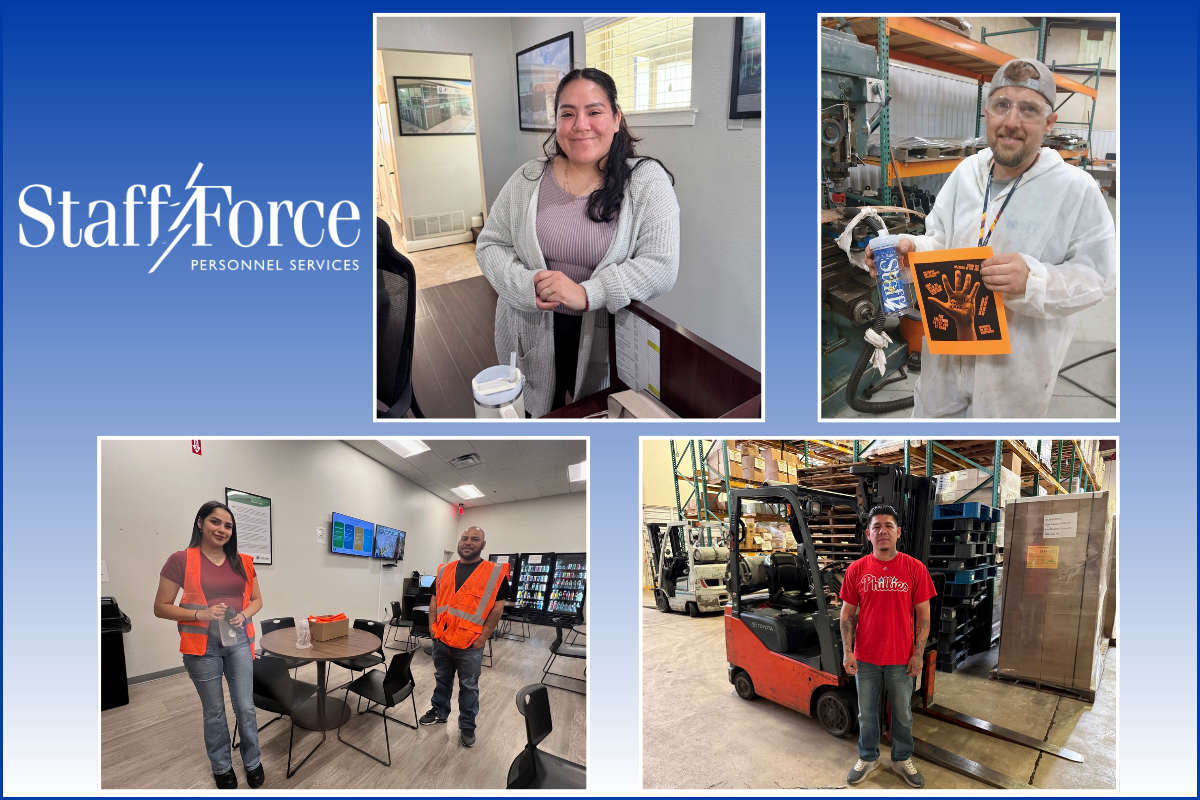
Useful abilities can seem too ordinary to mention after becoming part of your routine, yet those transferable job skills may show employers you’re ready to contribute across different roles.
That matters when your old job title doesn’t resemble the opening in front of you.
An application can feel empty, while other candidates appear to have the experience employers want. A career change may feel like starting again. Often, though, the abilities missing from the page are ones you use so naturally that nobody ever formally labeled them as skills.
This guide will help you bring those overlooked strengths into view, connect them with workplace needs and describe them through honest examples. You’ll learn to move beyond vague claims and show employers what your experience has prepared you to do.
‘Basic’ to You Can Still Be Valuable at Work
Some abilities become so familiar that you stop noticing the judgment and effort behind them. Yet workplace strengths aren’t developed through paid employment alone.
Experience Has More Than One Classroom
- On the job: Paid roles count, but side work can too. Fortune’s 2026 coverage of online resellers shows how pricing, budgeting, negotiation, customer service and marketing can develop through work people may not initially view as professional experience.
- Through learning and service: School, training, volunteering, community involvement and military experience can develop responsibility in different settings.
- In daily life: Family duties, caregiving and repeated responsibilities may strengthen patience, planning and follow-through.
Communication, organization, reliability, learning, problem-solving, accuracy and teamwork become transferable job skills when they support performance across different industries, employers, or job titles.
Employers Notice the Habits Behind the Task
Employers learn more from what you repeatedly do than from adjectives alone. An action can show how you approach work.
What Everyday Habits Can Show
- Arriving prepared: Demonstrates reliability and time management.
- Following a process: Shows attention, safety awareness and consistency.
- Catching an error: Reflects accuracy and practical judgment.
- Helping during a rush: Reveals teamwork and adaptability under pressure.
- Learning a new system: Shows coachability and technical comfort.
- Speaking up early: Demonstrates communication and responsibility before a problem grows.
Instead of calling yourself dependable, adaptable or detail-oriented, describe a moment when your actions proved it. Specific behavior helps an employer picture how you may contribute to their team.
Look Beyond Your Most Recent Job Title
Your most recent job title is only one label in a larger work history. Look back across previous roles and ask what each responsibility trained you to manage.
Read the Responsibility Beneath the Role
- Service experience: A restaurant employee balancing several orders may bring prioritization, while a cashier may offer accuracy and customer communication.
- Care and community experience: A caregiver can develop scheduling, patience and documentation skills. School or community volunteers can develop planning and coordination skills for future jobs.
- Organization experience: A retail associate who tracked stock may understand inventory, while an office assistant may bring planning and organization into production or logistics support.
Identifying transferable job skills means examining what the responsibility required, not repeating the job title.
Connect the Skill to the Work Ahead
A strength becomes easier to present when you connect it to the work an employer needs completed. One ability may support several directions.
One Ability Can Support Several Paths
- Warehouse and logistics: Organization, pace, scanning accuracy, teamwork and dependability.
- Production and assembly: Following instructions, repetition, quality awareness and focus.
- Skilled-trade support: Safety awareness, measurement, learning and reporting problems early.
- Administrative work: Scheduling, documentation, data entry, communication and confidentiality.
- Customer-facing roles: Listening, patience, problem-solving and clear explanations.
These connections may help an employer consider you for a related role. However, transferable job skills don’t replace licenses, certifications, direct experience or safety training required for specific work. Present what you can already do honestly and remain clear about where you still need instruction.
Replace Empty Claims With Useful Evidence
Positive labels take space on an application, but employers need evidence. Recent Forbes career guidance recommends showing how you applied a skill instead of placing unsupported claims in a résumé section. Turn each claim into a truthful example.
- Instead of: ‘Hard worker’
Show: Maintained reliable attendance and met daily deadlines during peak periods. - Instead of: ‘Good communicator’
Show: Reported order issues early and coordinated with coworkers to prevent delays. - Instead of: ‘Fast learner’
Show: Learned a new scheduling, inventory or data-entry system and used it accurately.
Numbers can strengthen a résumé when they are accurate, but you don’t need invented percentages or dramatic results. Specific tasks, situations, frequency and levels of responsibility can provide credible proof of what you contributed.
Give the Interviewer a Short, Complete Story
Interview answers become clearer when you focus on one real moment instead of trying to summarize your work history. Keep it brief but complete enough to show your contribution.
Build the Answer in Three Parts
- Situation: Explain what needed to happen, including a challenge, deadline or expectation.
- Action: Describe what you did specifically instead of focusing on the whole team.
- Result: Share what improved, stayed on track or helped avoid a problem.
Use this pattern to discuss reliability, teamwork, accuracy, learning, communication or problem-solving without relying on vague claims. Real interview examples make transferable job skills easier to understand because the employer can hear when, where and how you used the ability.
Be Clear About What Still Requires Training
Confidence should remain accurate. Related experience doesn’t authorize you to operate unfamiliar machinery, perform licensed work, handle hazardous materials or claim software skills you don’t have. Watching a task isn’t hands-on experience, and you shouldn’t hide needing supervision.
Separate what you can do independently from experience you can adapt, duties that require instruction and credentials you still need. Honest answers demonstrate professional judgment, safety awareness and respect for the work. They also help employers understand your current readiness without making assumptions.
Bring the Skills You Already Use Into Your Next Conversation
Your experience deserves a conversation that looks beyond job titles. Since 1989, Staff Force has supported job seekers and employers with more than 36 years of staffing experience across Texas, Arizona, Oklahoma and Tennessee.
Our team understands light-industrial, warehouse, skilled-trade and administrative workforce needs. Depending on local availability, opportunities may include temporary, temp-to-hire, direct-hire, seasonal or peak-production work.
Tell us about your experience, availability, goals and transferable job skills so we can discuss possible next steps. Visit our locations page to find your nearest branch and ask about locally available opportunities.
