The Teammates Everyone Loves Working With and How to Become One
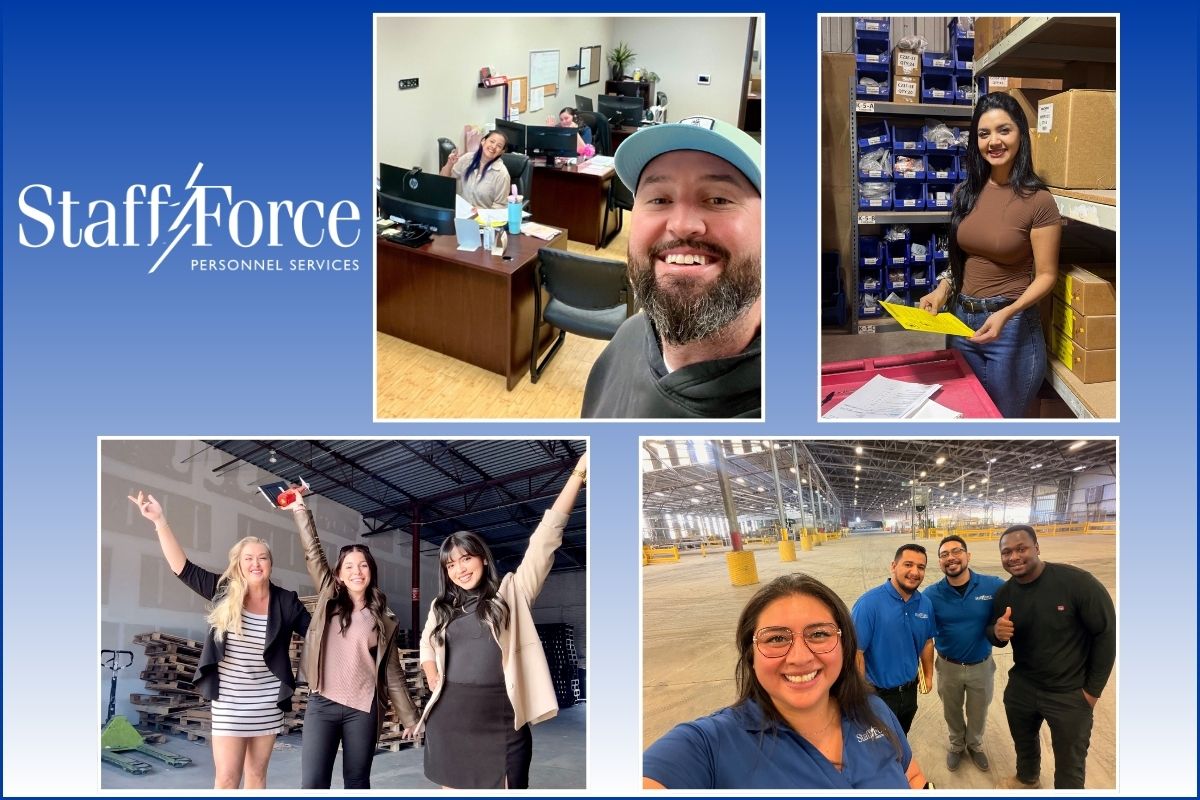
Every shift has its own rhythm, and the teammates people remember most are often the ones who make the workday smoother, more collaborative, and more enjoyable for everyone around them.
Being a good teammate doesn’t mean becoming everyone’s best friend, staying quiet, overhelping or pretending every shift is the best day ever. Work can be busy, tiring and sometimes even stressful. Professional soft skills help you build trust in realistic ways: showing up, communicating clearly, learning the work and treating people with respect.
These skills are work habits you can practice, even if you’re shy, nervous, new or starting over. The right habits can make you easier to work with while still protecting your boundaries, safety, and dignity.
Strong Teammates Support Others and Themselves
Great teamwork comes from mutual respect, clear communication, and a willingness to help one another. You can be supportive while setting healthy boundaries, ask questions to learn and grow and contribute in ways that help the entire team succeed. Great teammates know how to balance collaboration with accountability. They step up when support is needed, communicate openly and stay focused on delivering their best work.
Strong professional soft skills, like communication and respect, help create a workplace where everyone can succeed.
Reliability Makes the Whole Shift Breathe Easier
Employers notice the quiet habits: arriving prepared, following directions, asking for help before mistakes grow and keeping supervisors updated when timing, attendance or work performance may be affected. The U.S. Department of Labor also lists professionalism, communication, teamwork and problem-solving among the soft skills employers value for work readiness.
Clear Communication Builds Stronger Teams
Great communication at work keeps everyone aligned, supported and moving in the same direction. Asking questions early shows engagement and helps ensure work is done efficiently and correctly.
Try simple, useful questions:
- “Can you show me the right way to do this?”
- “Which task should I finish first?”
- “Who should I report this issue to?”
Keeping others updated when things change helps create a more connected, efficient and supportive workplace.
Coachability Helps You Grow With Confidence
It’s one of the easiest ways to show employers and supervisors that you’re ready to learn. Every role comes with new expectations, and no one is expected to know every process, task, or workplace routine on the first day.
When you listen closely, ask follow-up questions and apply feedback, you give yourself a better chance to improve with each shift. NACE’s career readiness competencies include communication, professionalism, teamwork and career and self-development, all of which support growth on the job.
Professional soft skills help you adapt and build trust and confidence as you learn what strong work looks like in a new environment.
Respect Helps the Whole Team Work Better
Respect at work often shows up in the small things people can count on. Every workplace has its own pace, routines and personalities. In warehouse, light industrial, admin and seasonal roles, staying aware of the people and tasks around you can help the whole team work with less confusion.
Simple habits can make a real difference. Keep shared spaces clear, follow safety rules, give updates when timing changes and pay attention to the flow of the work. When teammates stay considerate and organized, it helps everyone know what to expect.
That kind of respect makes for a stronger workday for you, your coworkers and the supervisors who count on the team.
Bring Stronger Skills Into Your Job Search
Preparation helps employers see not only what you’ve done, but how ready you are to grow. A perfect resume isn’t required to start building job readiness. Before you apply, it can help to think through:
- Your availability and preferred schedule
- The experience you already have
- The type of work you’d like to pursue
- How you show reliability on the job
- How you respond to feedback and new instructions
The U.S. Department of Labor’s Skills to Pay the Bills resource highlights communication, attitude, teamwork, problem-solving, and professionalism as helpful workplace skills.
Professional soft skills can help you stand out for temporary, temp-to-hire, direct hire, seasonal, warehouse, light industrial, admin and skilled trades opportunities. Staff Force can also help with job matching, application guidance and next-step employment support.
Good Teamwork Includes Clear Expectations
Clear expectations help you contribute with more confidence. Good teammates understand their role and communicate when they need direction. Asking questions, clarifying instructions and sharing updates can help the whole team stay aligned, especially when the work moves quickly.
It’s also important to speak up about safety concerns or anything that could affect the task. Being a teammate people enjoy working with comes down to consistency, respect and contribution. Those habits help you show up with confidence and support the team in a positive way.
Let’s Help You Find a Team Where You Can Grow
Your next opportunity can be a place to keep building confidence, experience and professional soft skills with the support of people who want to help you move forward.
With 36+ years of experience, Staff Force Personnel Services helps job seekers explore employment assistance, job matching, application support and placement guidance across Texas, Phoenix, Oklahoma City and Tennessee.
Our team can talk with you about temporary, temp-to-hire, direct hire, seasonal/peak production, light industrial, warehouse, admin and skilled trades opportunities that may fit your availability, goals, and experience.
When you’re ready to apply, ask questions or learn what roles may be open near you, visit our locations page to connect with the branch that serves your area. We’d be happy to help you take the next step.
