How to Create a Safer, More Productive Warehouse Environment
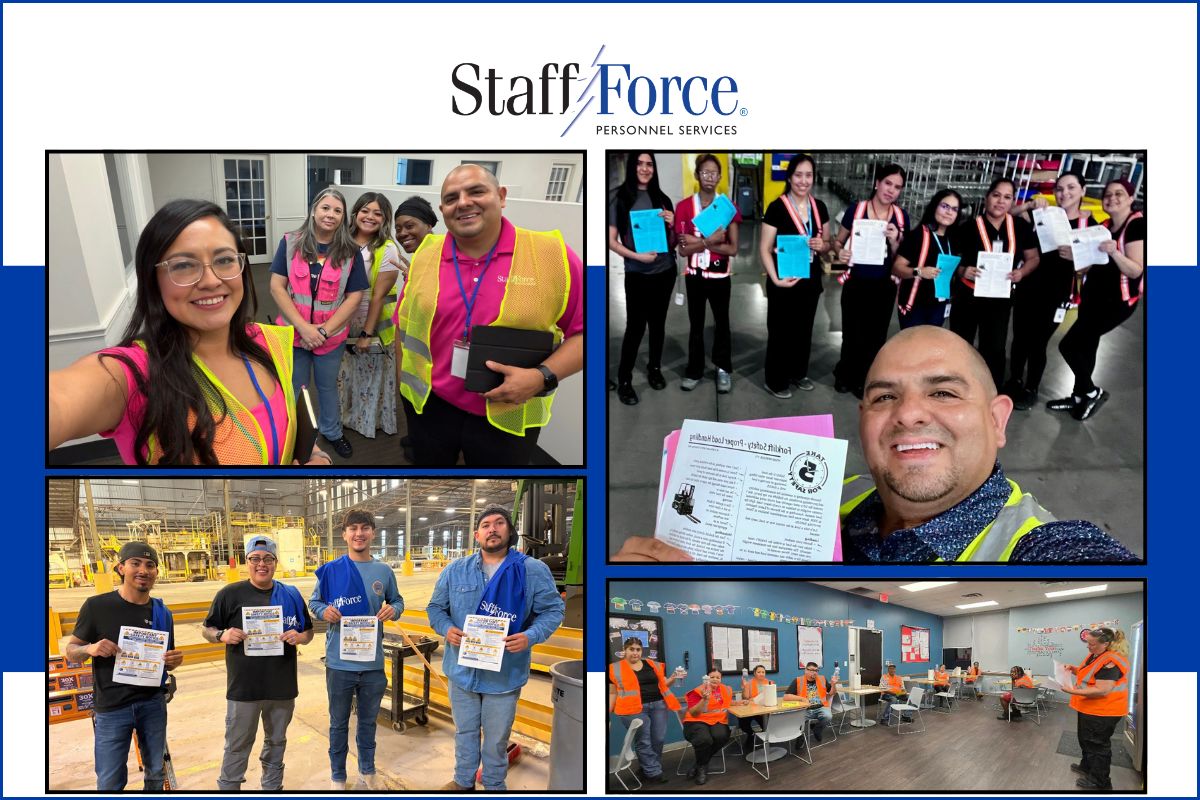
On a busy warehouse floor, even the best kind of chaos needs rhythm; safer, steadier work takes shape when staffing, training, communication, workflow planning and daily habits move together.
A productive warehouse environment isn’t only about moving faster. It’s about helping your floor feel controlled, prepared and easier to lead.
Safety and productivity don’t have to compete for attention. With the right people, clearer processes and dependable staffing support, your team can move with less confusion and more confidence. These practical steps can help you build steadier warehouse performance before pressure takes over.
Safety and Productivity Should Move in the Same Direction
Unsafe warehouses don’t just raise the risk of injury. They slow down orders, create rework, increase turnover and make teams less confident on the floor. OSHA’s warehousing guidance highlights hazards such as forklifts, ergonomics, material handling, slips, trips, falls and fast-moving equipment, all of which can affect daily output.
Supervisors can reduce that pressure by reviewing walking paths, staging areas, loading zones, PPE expectations, housekeeping, stacking practices and equipment rules before the shift gets crowded.
In practice, a productive warehouse environment depends on reducing avoidable risks, delays and confusion before they affect the shift.
Let the Workflow Show You Where the Snags Live
Warehouse layouts can look organized on paper, then become difficult to manage once employees, pallets, forklifts, scanners and deadlines all converge during a busy shift. The best clues usually show up in the repeated slow spots.
Watch where delays keep gathering: receiving, picking and packing, quality checks, inventory counts, loading or shift changeovers. Clear labels, open lanes, smart staging spaces and obvious handoff points can make the floor feel easier to read.
Better warehouse workflow also helps new and temporary employees settle in faster because the space gives them fewer mysteries to solve mid-shift.
Match Staffing Coverage to Real Shift Pressure
Workplace injury and illness data from the U.S. Bureau of Labor Statistics shows why coverage planning can’t ignore safety, absence patterns and physical job demands. Average demand may look manageable on paper, but pressure changes quickly when trucks arrive early, orders stack up, callouts occur and supervisors are pulled into multiple priorities.
Plan coverage around the pressure points your team actually feels:
- Temporary and temp-to-hire roles
- Direct hire positions
- Seasonal and peak production needs
- Warehouse, administrative, and clerical roles
A productive warehouse environment needs people who understand the pace, schedule, physical demands and expectations before they clock in. Role clarity helps too, as everyone keeps the floor moving in different ways.
Make Training Easy to Remember Once the Shift Gets Moving
Training should be clear enough for new employees to remember and specific enough for them to use when the floor gets busy. Cover job duties, safety rules, reporting lines, break procedures, equipment boundaries, PPE, attendance expectations, productivity standards and quality checks before anyone is left guessing.
Temporary and seasonal employees should not have to rely on guesswork. Checklists, visual cues, buddy systems and clear supervisor assignments can reduce first-week uncertainty. A productive warehouse environment is easier to maintain when every employee understands expectations before the shift reaches full pace.
Protect Your Team From Peak-Season Scramble
Peak season can quickly expose small staffing gaps. Forecast labor needs before seasonal demand and production spikes hit full speed. Early planning gives you time to screen candidates, confirm availability, align schedules and prepare employees for the environment.
Support services like background checks, skills assessments, payroll help and placement coordination can also reduce the administrative workload. A productive warehouse environment is easier to protect when staffing support begins before the floor is already short-handed.
Use Support Services to Keep Managers Focused on Operations
Warehouse managers shouldn’t have to choose between watching the floor and chasing hiring paperwork. When recruiting, screening, onboarding details, payroll questions and shift communication all pile up, managers have less time to focus on daily operations.
Staffing support should make the day feel lighter and we help employers connect employees to the right roles, confirm practical fit, support screening needs, coordinate placements and reduce the back-and-forth that can slow hiring down.
A productive warehouse environment is easier to maintain when managers have room to manage.
Watch the Small Signals Before They Become Expensive
Warehouse problems usually begin as small patterns your team keeps explaining away until the floor starts getting harder to run on.
Pay attention when you see:
- More mispicks or order accuracy issues
- Longer staging times near shipping or receiving
- Rising callouts, turnover or late arrivals
- Near misses, damaged product or messy walkways
- Late trucks, rushed loading or repeated supervisor complaints
Track these patterns before they become larger operational problems.
- Which shifts struggle most?
- Where do new employees get stuck?
- Which tasks create the most rework?
Help Your Warehouse Team Move With More Confidence
You don’t have to wait until the floor feels stretched. A productive warehouse environment is easier to build when the right staffing and support plan is already in motion.
Since 1989, Staff Force Personnel Services has helped employers with temporary, temp-to-hire, direct-hire, seasonal/peak-production staffing, light-industrial staffing support, screening, assessments, payroll and practical workforce support across Texas, Phoenix, Oklahoma City and Tennessee.
If your warehouse team is preparing for heavier demand, harder-to-fill roles or shift coverage gaps, Staff Force can help you take the next step. Visit our locations page to connect with the team that serves your area.
