Your Trade Skills Are Worth More Than You Think: How to Turn Experience Into Opportunities
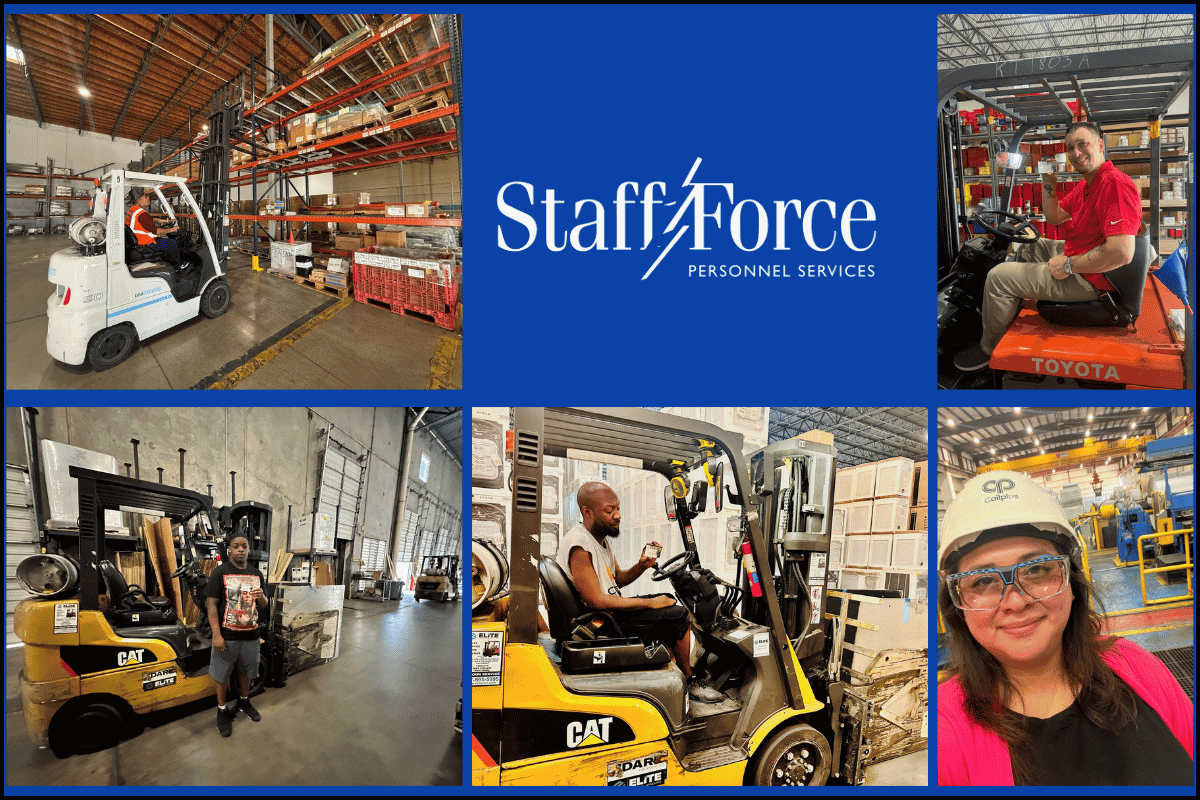
Your hands-on experience may be worth more than you realize. If you have operated equipment, followed safety steps, kept production moving, helped a crew stay on track, solved problems during a shift or learned technical tasks on the job, those abilities matter.
Many people build valuable experience through hands-on work, repeated practice and daily responsibility. Trade skills can come from real work, steady learning and practical responsibility. The key is recognizing those skills, explaining them clearly and connecting them to opportunities where your experience can help you move forward.
Your Experience May Already Show More Than You Realize
Your work history is more than the job title on an application. Employers may look at the tools you have used, the environments you understand and the responsibilities you have handled during a busy shift.
Your trade skills may already show up in the way you work safely, follow instructions, keep pace, solve small problems and support the people around you.
Think through details such as:
- Equipment or machines you have operated
- Assembly, packaging, shipping, receiving or inventory work
- Forklift, warehouse or production experience
- Welding, CNC, fabrication, maintenance, HVAC or repair tasks
- Quality checks, safety habits and reliable attendance
These details help connect your experience to real opportunities. When you can name what you have done, it becomes easier for our team to understand where your background may fit.
Turn Daily Work Into Clear, Searchable Skills
When you describe your experience, clear details can make a stronger impression than broad phrases. Instead of only saying you ‘worked in a warehouse’ or ‘helped in production,’ think about the tasks, tools and responsibilities that show what you can actually do. The U.S. Department of Labor-sponsored resources also encourage employees to identify specific skills when exploring jobs and career paths.
Name the Tools, Tasks and Environments
List the equipment, materials, scanners, machines, safety procedures, shift types and work settings you know. These details make your trade skills easier to understand and match with possible roles.
Show the Result of Your Work
It also helps to explain how your work supported the team. Did you improve accuracy, reduce delays, keep areas safe, train new employees or help orders move on time? Those details show practical value, not just job history.
Skill Doesn’t Always Look Like a Certificate
Certifications, licenses and formal training can be important for certain roles, especially when a job requires them. Still, many employers also value hands-on experience, reliability, coachability, safety awareness and the ability to learn. Your trade skills may come from working with experienced team members, handling real tasks, following jobsite procedures or improving through daily practice.
Recent workforce coverage has also pointed to continued demand in hands-on fields such as welding, manufacturing, construction and other technical work.
Staff Force can help you talk through your experience, goals and availability so your background is considered for roles where practical fit matters, not only what appears on a resume.
Look for the Skills That Transfer Across Roles
One kind of experience can often support more than one type of opportunity. Your trade skills may connect to nearby roles when you understand what each task proves about your ability, safety habits and pace.
Recent Houston workforce coverage has pointed to growing training pathways for hands-on roles such as electricians, mechanics, fiber technicians and other skilled trade positions tied to expanding infrastructure needs.
Think about how your experience may transfer:
- Forklift experience can support shipping, receiving, warehouse or logistics roles.
- Machine operation can connect to production, quality control or maintenance support.
- Welding and fabrication may apply to skilled trades, manufacturing or repair work.
- HVAC or maintenance experience can support facilities and equipment upkeep.
- Inventory or order-pulling work can connect to fulfillment, receiving or warehouse coordination.
These connections can help our team better understand where your background may fit.
Be Ready to Explain What You Can Do Safely and Reliably
When you apply for hands-on roles, it helps to be clear about what you can do and what training you may still need.
Employers want people who understand that safety, honesty and consistency matter on the job. Your trade skills are stronger when you can explain them with real details.
Be ready to share:
- Equipment or machines you have used
- Current or past certifications, if applicable
- Warehouse, production, construction, maintenance or repair environments you know
- Your schedule availability and shift preferences
- Tasks you are confident handling
- Areas where you would need training or supervision
Asking questions before accepting a task you are not trained for shows responsibility. It helps protect you, your teammates and the work being done.
Staff Force Can Help You Find the Right Next Step
You do not have to figure out your next opportunity alone. At Staff Force, we can help you look at your background, availability and goals so you can better understand where your experience may fit. Your trade skills may connect with temporary, temp-to-hire, direct hire or seasonal and peak production opportunities, depending on the roles available near you and the needs of local employers.
Since 1989, Staff Force has supported job seekers and employers across Texas, Arizona, Oklahoma and Tennessee. Our team works with light industrial, skilled trades, warehouse and other practical workforce needs, so we understand how hands-on experience can matter in different settings.
When you are ready to take the next step, visit the Staff Force locations page to connect with the branch that serves your area and talk with a team that can help you move forward with clearer support.
